

When saving data to the cloud, you usually face a tough choice: pay a premium to open files instantly, or pay pennies but wait hours for downloads. Inside Ice Vault, we love smart options. That is why today we are breaking down two cloud tiers that both give you data in milliseconds, but bill you completely differently.
The Hot Layer: S3 Standard
Amazon S3 Standard is the digital equivalent of your desktop folder. It is designed for 'hot' data—files you open every single day. Think of active website images, streaming videos, or shared team documents.
According to the official AWS Storage Classes documentation, Standard storage delivers top performance, but it charges the highest rent for monthly space.
The Smart Vault: Glacier Instant Retrieval (IR)
Now, imagine medical records, old photo albums, or tax documents from two years ago. You do not open them daily, but if you need them, you need them right now. This is where S3 Glacier Instant Retrieval shines.
It cuts the monthly storage fee by up to 60-80% compared to Standard. The magic? You do not have to wait 12 hours like older archiving tech; your files open in milliseconds.

| Metric | S3 Standard | Glacier IR |
|---|---|---|
| Access Speed | Milliseconds (Instant) | Milliseconds (Instant) |
| Monthly Storage (per GB) | ~$0.023 | ~$0.004 |
| Data Retrieval Fee (per GB) | Free | ~$0.030 |
| Minimum Storage Duration | None | 90 Days |
The Catch: Understanding Retrieval Fees
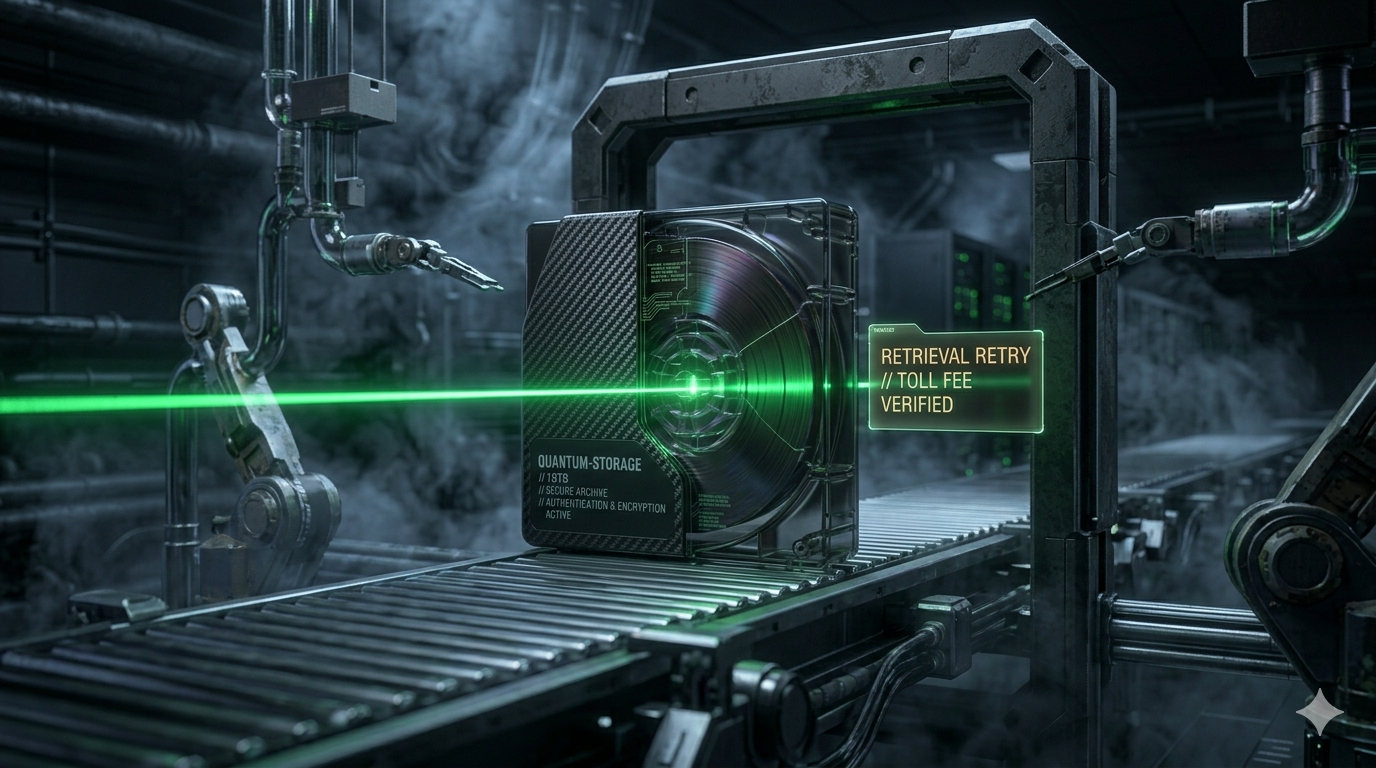
If Glacier Instant Retrieval is just as fast and way cheaper, why not use it for everything? Here is the catch for non-tech users: S3 Standard charges you a premium for 'renting' space, but lookups and downloads are free. Glacier IR gives you cheap rent, but charges a toll fee every time you take data out.
Think of it as an unheated physical garage. S3 Standard is an expensive downtown garage where you can drive your car in and out all day for free. Glacier IR is a cheap remote garage: rent is minimal, but you pay a gate fee every time you fetch your car.
If you download a 10 GB video file from S3 Standard, your retrieval cost is $0. From Glacier Instant Retrieval, Amazon adds a small processing fee per gigabyte. If you read data frequently, this toll fee can quickly wipe out your storage savings.
The 90-Day Minimum Lifetime Rule
Another rule to keep in mind is the storage lifecycle. S3 Standard has no time limits—you can upload a file and delete it 5 minutes later. Glacier IR requires a minimum commitment. Even if you wipe a file after 10 days, Amazon will still bill you for the full 90 days of preservation.
Conclusion: Which Protocol Fits Your Node?
The rule of thumb is straightforward: if you look at a file more than once a month, leave it in S3 Standard. If you store assets that are accessed less than once a quarter—such as master photo archives, cold system backups, or raw camera footage—moving to Glacier Instant Retrieval is a no-brainer.
By deploying custom S3 setups via Ice Vault, you can mix and match these rules seamlessly, securing institutional-grade speed and top-tier cost-efficiency.