1. Entropy and the Necessity of Redundancy
Every hard drive will eventually crash. Every solid-state drive has a finite block rewrite runtime limit. In system engineering, we treat data corruption not as an accidental hazard, but as an absolute certainty governed by software and physical entropy. To guard assets against logical failures, hardware degradation, or cyber attacks, you must leverage structural Backup Protocol Systems.
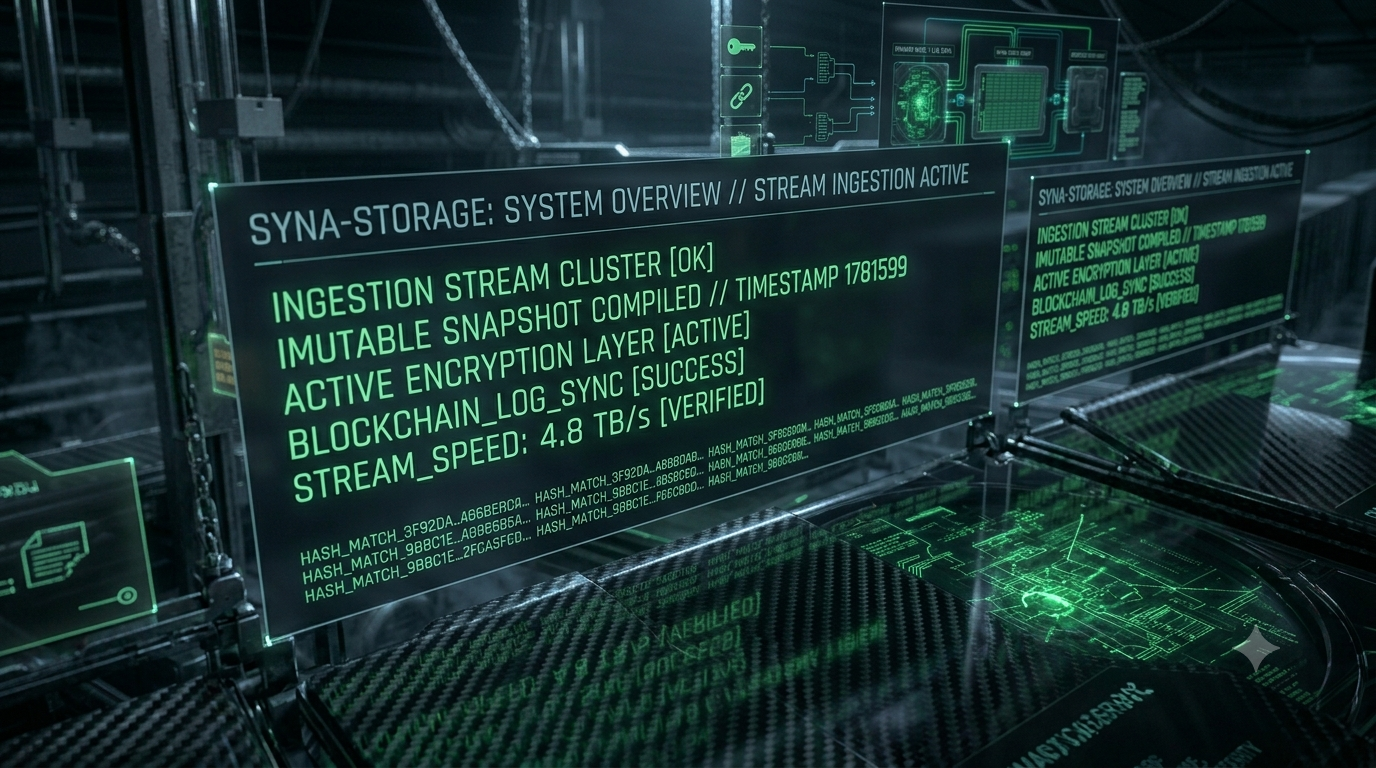
A professional backup is not merely copying a directory onto an external USB container. It is an immutable cryptographic snapshot of your system state captured at a defined unix timestamp, isolated entirely from production computation runtimes.
2. The Immutable 3-2-1 Backup Strategy
To achieve true high-durability infrastructure stability, professionals adhere to the core 3-2-1 structural rules matrix:
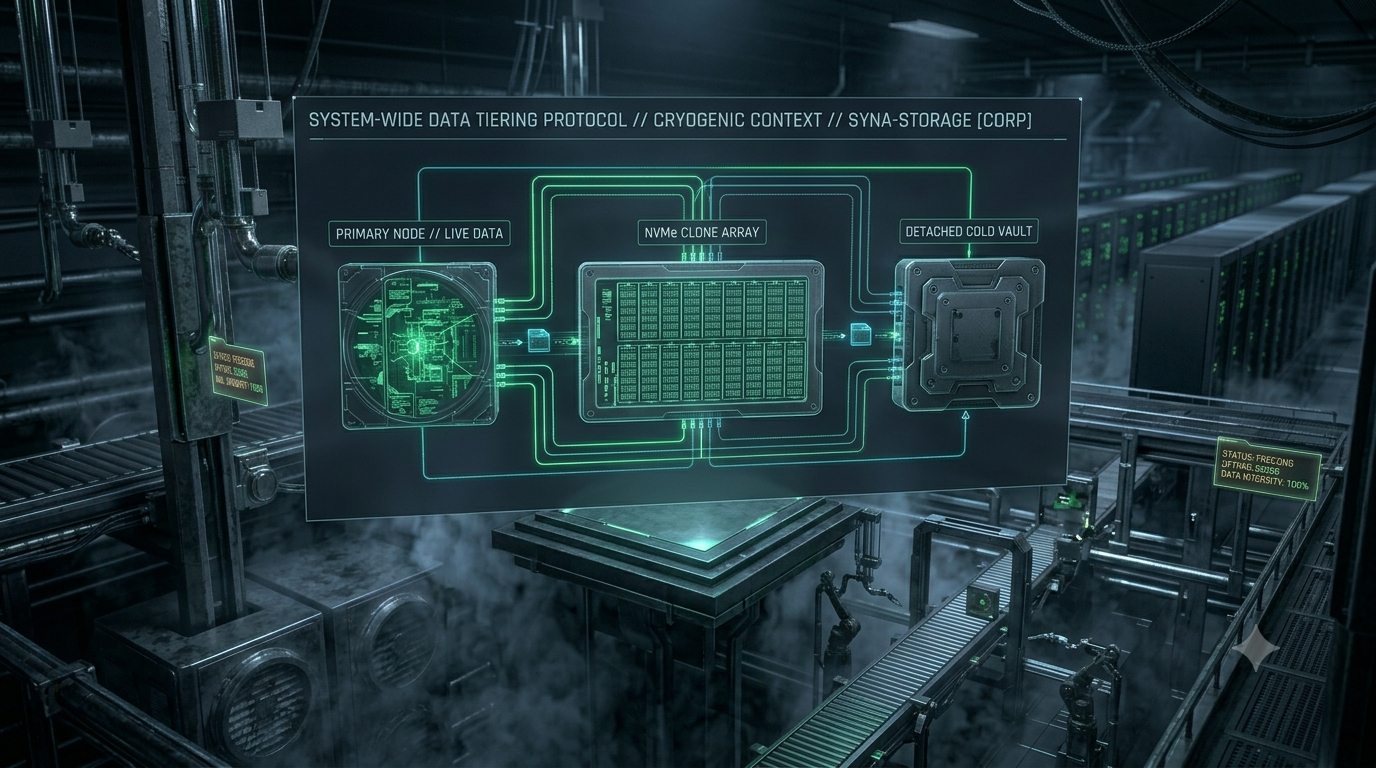
- [3] Three Total Copies: Maintain one primary production dataset array and at least two separate, distinct backup recovery matrices.
- [2] Two Different Media Types: Store data snapshots across separate physical mediums (e.g., local high-speed NVMe arrays and offline isolated cold storage).
- [1] One Offsite Location: Keep at least one full immutable copy completely detached from your local facility network grid—preferably in a secure decentralized or cloud-based architecture vault like Ice Vault.
3. Cold-Storage Routing via Python SDK
Inside the Ice Vault environment, configuring deep long-term archival loops takes less than ten lines of execution code. By initializing our core programmatic framework, developers can mount secure upload channels directly onto private cloud bucket destinations.
First, make sure you have generated an authentication token token inside the Developer Apparatus panel. Then, integrate our official Python engine package to pipe directory binaries straight into your active remote data cluster:
# Initialize authentication handshake protocol
client = icevault.Client(api_key="iv_live_prod_x92k...")
# Stream and archive targeted archive data payload package
response = client.storages.upload_files(
file_paths=["/var/log/sys_matrix.tar.gz"],
)
print(f"Ingestion successful. Node Allocation Hash: {response.uuid}")
4. Automated Cron Synchronization Pipelines
Manual snapshots violate the core tenet of data preservation—consistency. True safety requires automated scheduling loops. By binding our daemon client script into a standard Linux cron daemon or macOS launchd architecture, your servers can execute state sync operations completely unattended every night at midnight.